
N63 · Nandrin · Belgium
Pilot Site & Infrastructure Overview
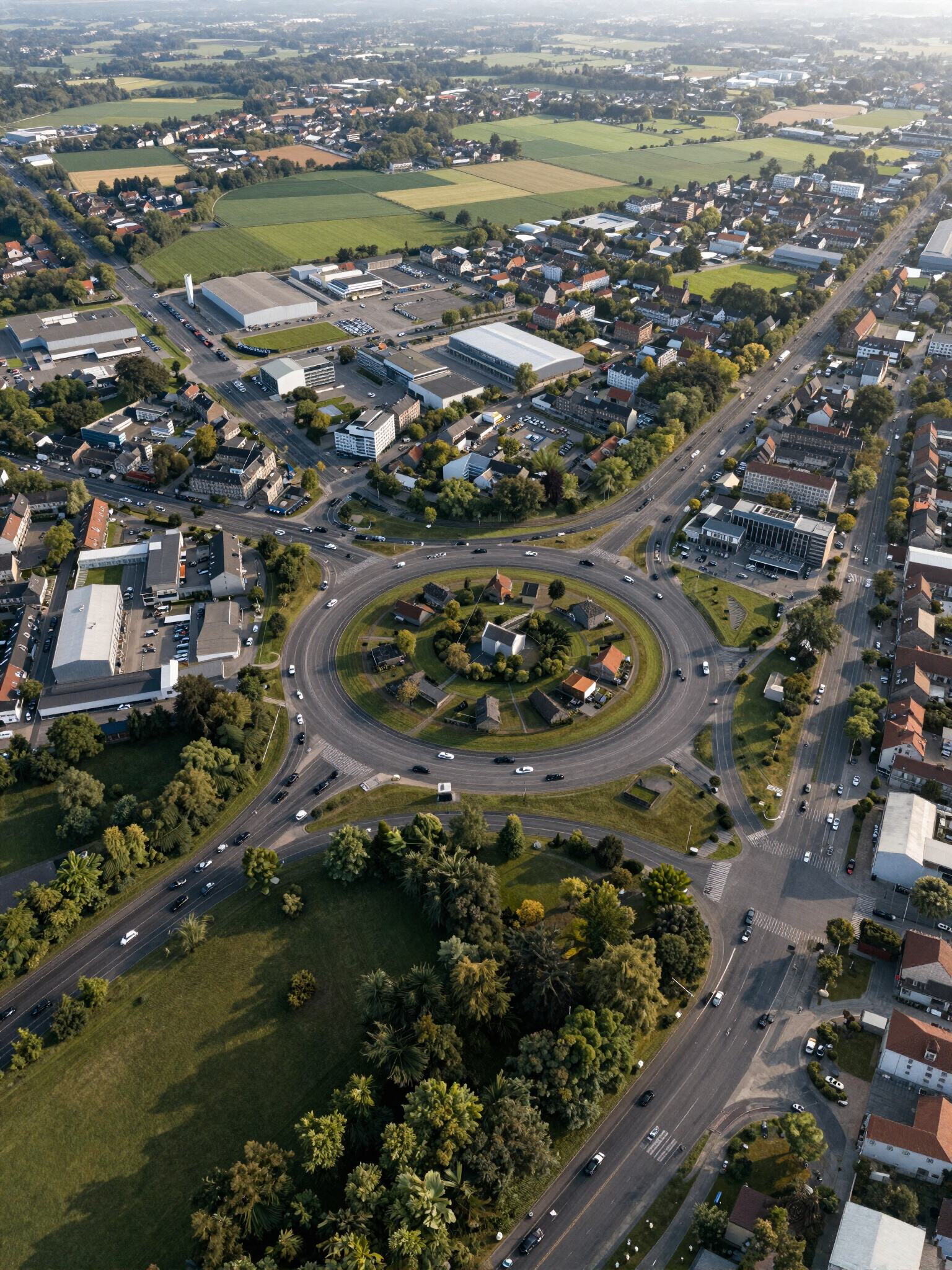
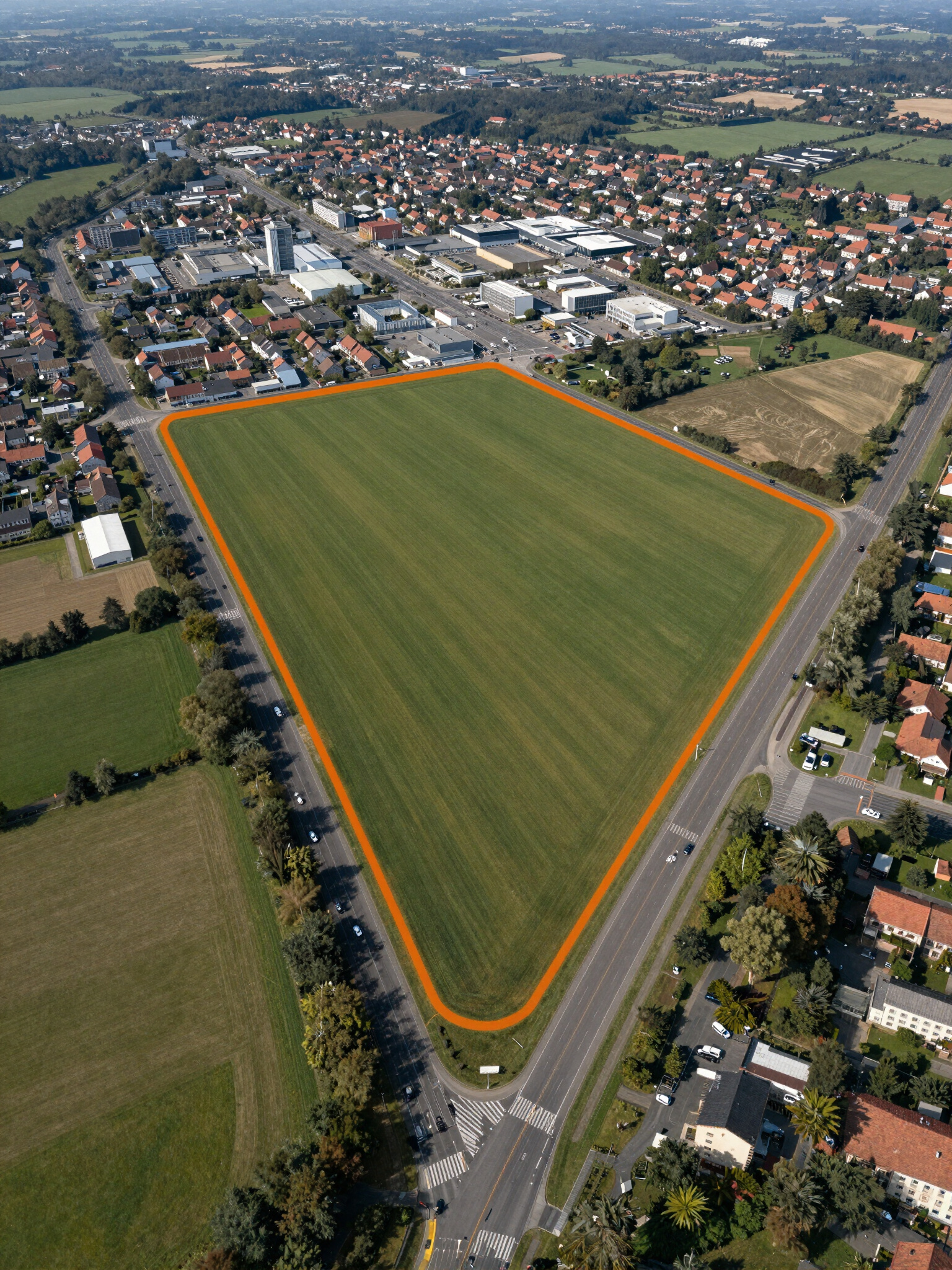
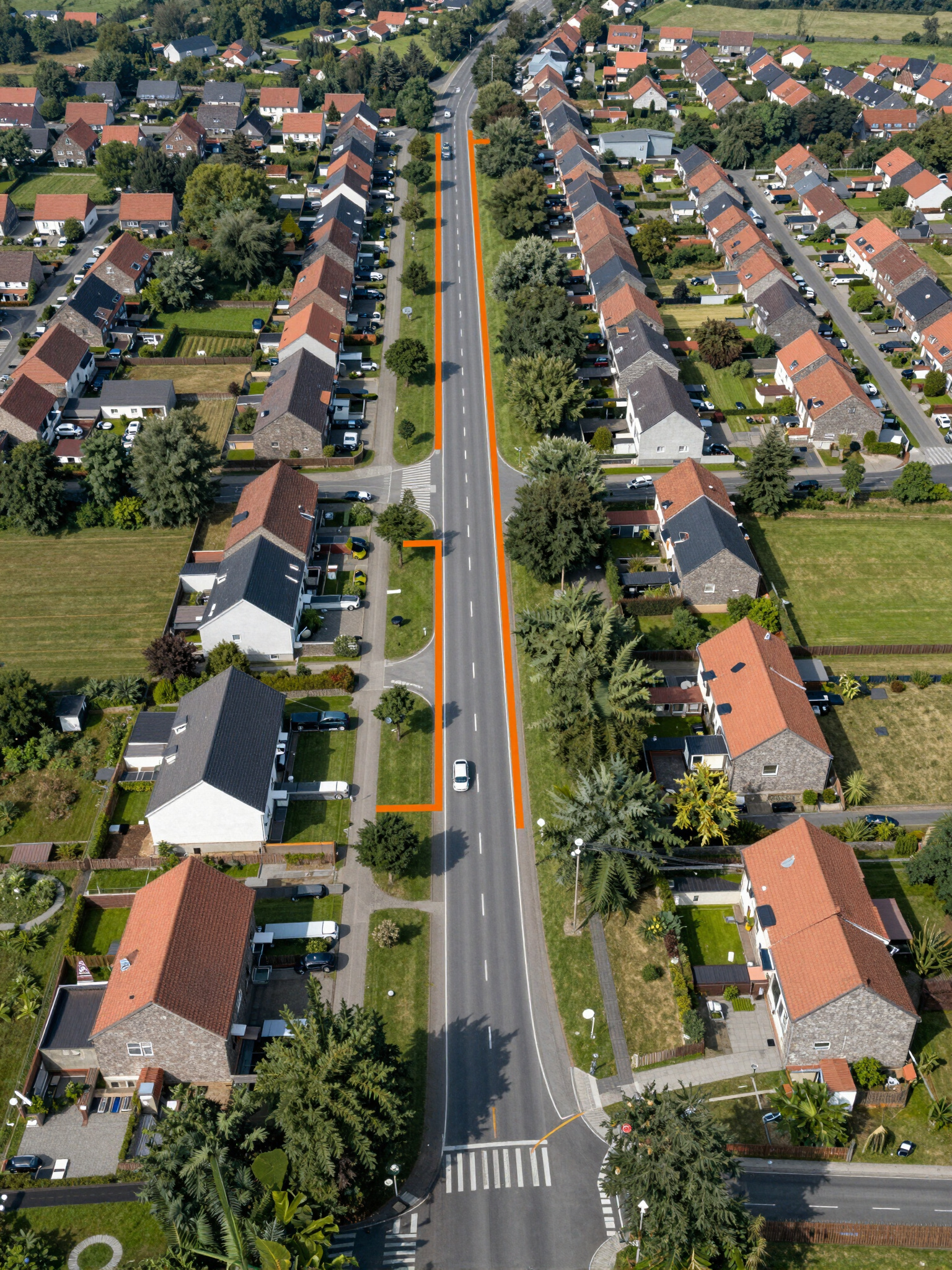
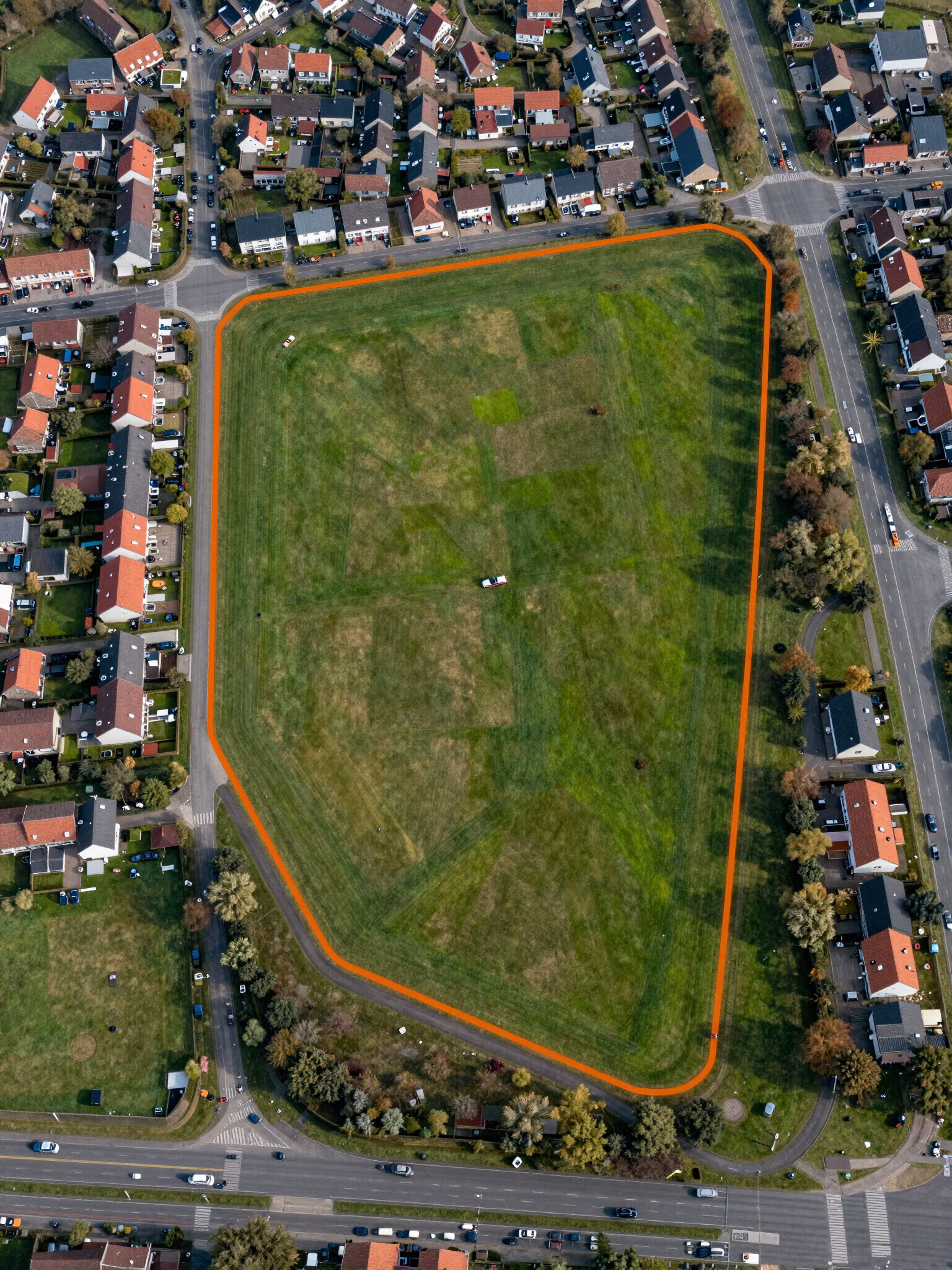
Located on Route du Condroz (N63) in Nandrin, the hub is designed as a real-world validation environment for heavy-duty electrification, automated vehicle services and intelligent energy infrastructure. The 3,689 m² freehold parcel benefits from approximately 89 m of arterial frontage, direct roundabout access and strong visibility across a corridor serving an estimated 20,000–30,000 vehicles per day. The master plan combines a dual-lane robotic wash tunnel, a 1.2 MW MCS charging plaza, hospitality facilities, executive rest suites and an edge-computing control layer. This physical reference site is intended to convert laboratory development into measurable industrial performance, while creating a repeatable blueprint for European freight corridors.

MONACO 63 HUB

INTEGRATED CYBER-PHYSICAL PLATFORM
MONACO 63 HUB


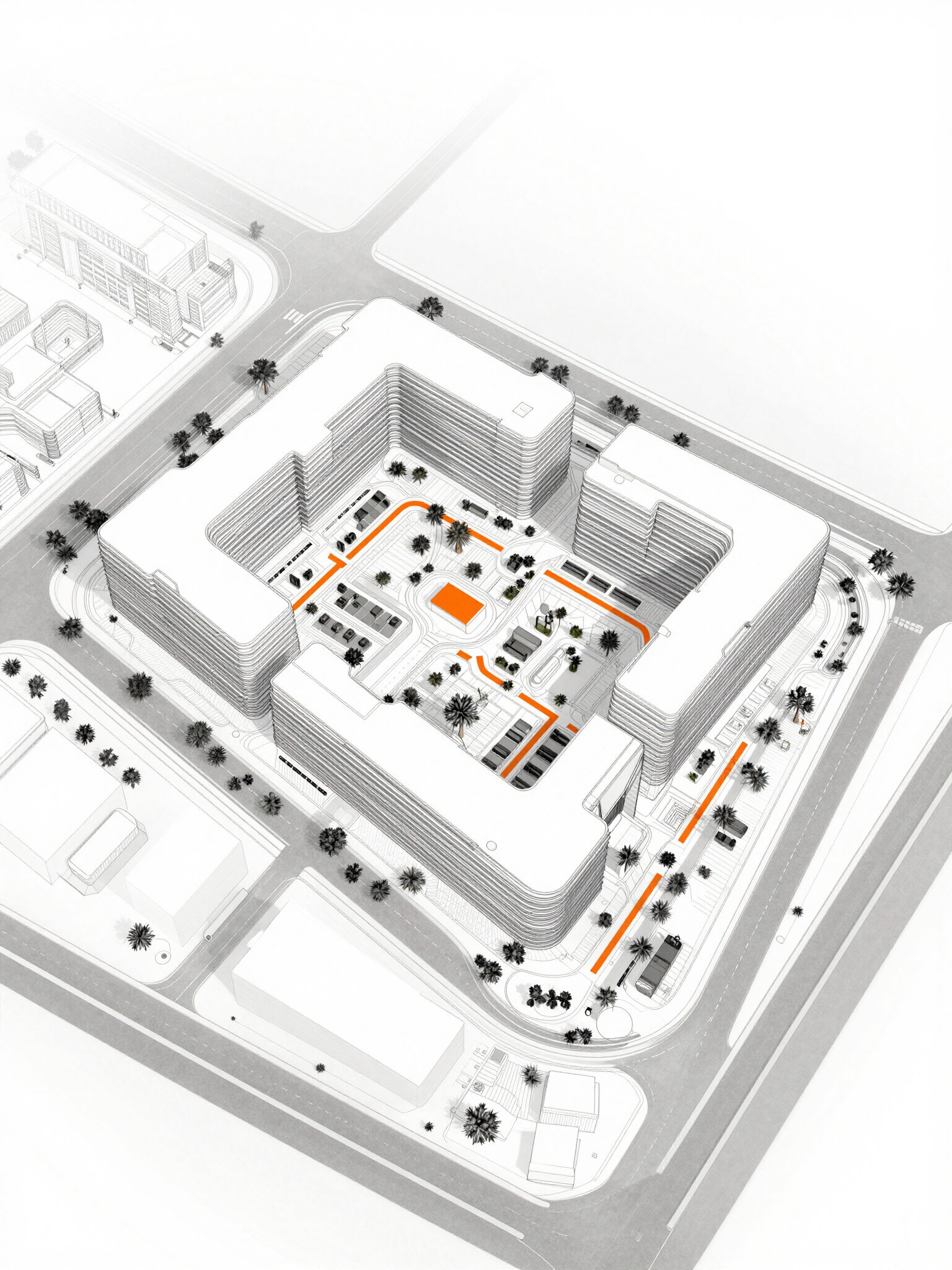
MONACO 63 HUB is conceived as an integrated cyber-physical platform rather than a collection of standalone services. Its value lies in coordinating machines, vehicles, energy assets and operational data through a common orchestration layer. The Nandrin site provides the controlled environment needed to test interoperability, latency, safety and resource efficiency under live operating conditions.
The platform connects KUKA robotics, WashTec automation, LiDAR sensing, edge computing, MCS charging, photovoltaic generation and battery storage through machine-to-machine middleware. The roadmap targets deterministic local control, adaptive vehicle profiling and predictive energy dispatch. Commercial expansion is planned through software licensing, white-label station deployments, data services and integration packages, with every external claim subject to pilot validation, customer contracts and the applicable regulatory framework.
DEEPTECH ENERGY & MOBILITY HUB MODEL


MONACO 63 HUB: Heavy-Duty Electrification Platform
An Industrial DeepTech Platform for Robotics, AI, Heavy Mobility and Intelligent Energy Systems.
R&D Mandate
The 36-month experimental development programme is focused on four technical foundations: deterministic multi-vendor orchestration, protective engineering for robotic operation in wet and chemically aggressive environments, continuous 3D vehicle profiling, and predictive microgrid management. The programme is designed to advance the system from integrated laboratory development toward TRL 7 field validation. The site-company and technology-company activities remain distinct, allowing infrastructure revenues, technology licensing and investor economics to be assessed transparently.


01 — Multi-Vendor Orchestration
A deterministic control layer that coordinates robots, chargers and sensors from different manufacturers in real time, with guaranteed timing, shared safety logic and a single open interface.

02 — Protective Robotics Engineering
Sealing, coatings and material tests that keep robots reliable in wet, corrosive and chemically aggressive conditions, extending service life and reducing maintenance downtime.

03 — Continuous 3D Vehicle Profiling
Sensor fusion that builds a live 3D model of every vehicle as it moves, so robotic tools adapt their path precisely to each shape without stopping the flow.

04 — Predictive Microgrid Management
Forecasting models that balance solar generation, battery storage and charging demand ahead of time, cutting peak loads and keeping the hub energy-efficient and resilient.

05 — Autonomous Robotic MCS Connector
Research into robotic alignment, safe plug-in and release of heavy-duty Megawatt Charging System connectors, integrated with the hub's energy management system. Positioning accuracy and safety behaviour are to be validated in field trials.

06 — AI Tyre & Axle Analytics
Investigates AI scanning of tread depth, wear patterns and axle geometry on heavy vehicles under wet and reflective conditions, aiming to feed predictive maintenance. Detection reliability in real-world conditions remains a research objective.

07 — Acoustic Battery Diagnostics
Explores whether acoustic signals captured during high-power charging can indicate battery anomalies, and how a pre-charge safety screen could be structured. Diagnostic value is to be established through controlled testing.

08 — Winter Decision-Support & De-Icing AI
A decision-support concept to detect icing risk across the site, parking areas, charging zones and truck roofs, supporting targeted rather than blanket intervention. Prediction accuracy and operational benefit require seasonal validation.

09 — Microbial Sludge Recovery
Researches microbial conversion of wash sludge, with variable and potentially inhibitory inputs, into biomethane or biohydrogen within a circular water-energy loop. Yields and process stability are open research questions.

10 — Digital Vehicle Health Scan
An AI-assisted pre-screening concept combining optical, LiDAR and thermal data to flag damage, wear and overall vehicle condition for follow-up by qualified staff. Classification performance is to be verified in pilot operation.

11 — LiDAR Dynamic Suspension & Axle-Load Screening
Studies estimating axle-load distribution from external suspension deformation and vehicle geometry as a rapid indicative screen. It is not a substitute for certified weighing; estimation accuracy is subject to validation.

12 — Fleet Aerodynamic Geometry & Fuel-Efficiency API
Targets identification of aerodynamic defects in truck and trailer exterior geometry, exposed through an API to fleet maintenance and efficiency workflows. The link between detected defects and fuel savings is to be quantified.

13 — Trailer Volumetric & Concealed-Compartment Screening
Compares LiDAR scans with digital-twin references to flag trailer geometry and volume anomalies for human review. The system is intended as decision support only; false-positive rates are a key validation metric.

14 — Sub-5ms Dynamic Trajectory Replanning & Obstacle Evasion
Pursues low-latency, safe trajectory replanning using LiDAR and M2M middleware when unexpected obstacles appear during robotic washing or scanning. The sub-5 ms target is a development goal pending verification.

01
Cyber-Physical
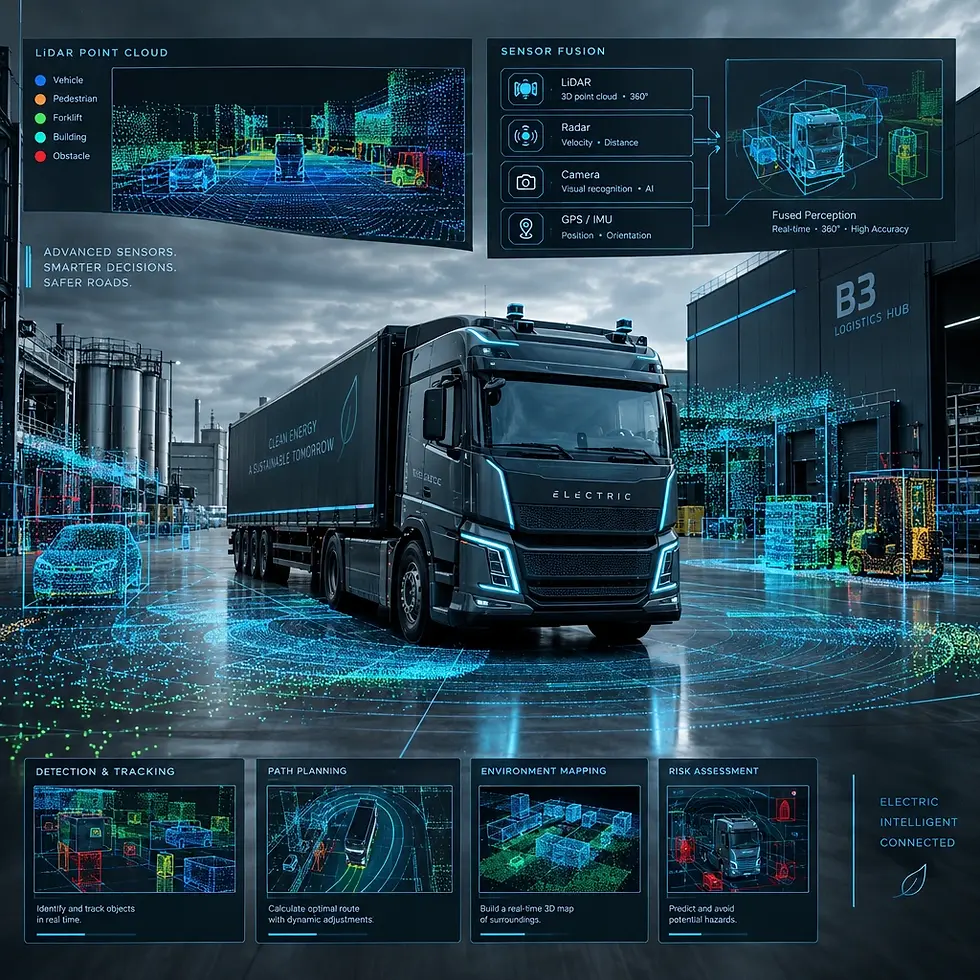
LiDAR point clouds and sensor fusion create a live spatial model of each vehicle as it moves through the facility. The system is intended to support adaptive robotic trajectories, vehicle-condition pre-screening, dirt mapping and structured digital reports for fleet operators. These outputs are decision-support tools, not statutory roadworthiness certificates, and performance claims will be established through controlled testing.

02
AI Logistics
AI models are planned to support predictive fleet services across washing, charging and maintenance workflows. Potential applications include damage documentation, tyre and axle analytics, battery safety screening and winter-risk alerts. Each module follows a staged path from bench testing to site pilot, independent assessment and paid deployment, keeping commercial targets separate from achieved results.

03
Edge Computing
Edge computing brings data processing close to the equipment, reducing dependence on remote connectivity during safety-critical operations. The architecture is intended to translate vendor protocols into a unified semantic bus, protect sensitive operational data through local processing and provide a scalable foundation for APIs, digital twins and multi-site SaaS deployment.

04
Energy Mobility
The energy layer combines a planned 150 kWp photovoltaic canopy, a 200 kW BESS buffer and 1.2 MW megawatt charging infrastructure. Predictive energy management is intended to coordinate charging, storage and local generation around grid constraints and market conditions. Future flexibility or arbitrage revenues remain subject to connection capacity, aggregator access, metering and verified performance.

05
Robotic Washing & Water Recycling
R&D work focuses on adaptive robotic wash cycles for trucks, buses and vans, guided by the vehicle's spatial model. A closed-loop treatment system is being studied to recover and reuse wash water, reduce chemical consumption and monitor discharge quality. Water-saving and cleaning-quality figures will only be published after measured pilot operation.

06
Digital Twin & Cybersecurity
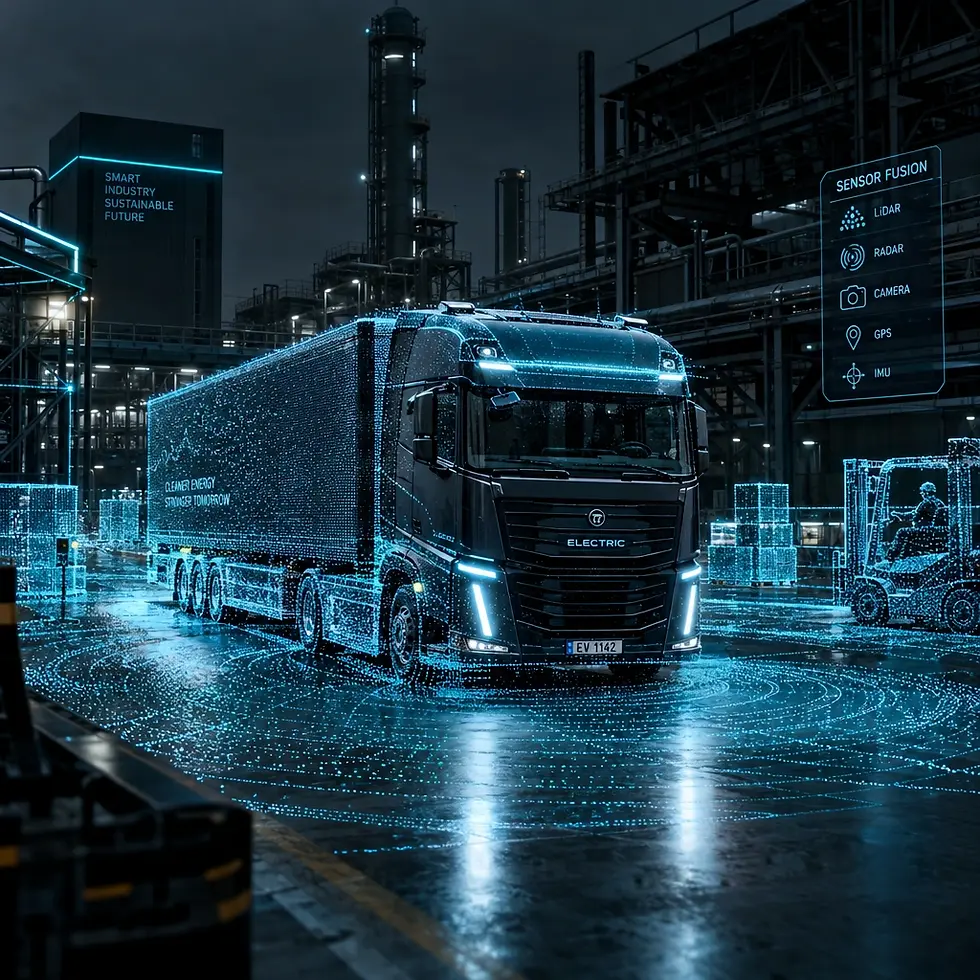
A facility-wide digital twin is being developed to simulate vehicle flows, equipment load and energy demand before changes are made on site. In parallel, the research programme addresses OT cybersecurity: network segmentation, encrypted device communication and access control aligned with recognised industrial standards, so that connected infrastructure remains safe and auditable.
Nandrin Biomass & Green Power Node
R&D Cyber-Physical Framework
Nandrin is positioned as a strategic validation node on the N63 logistics and tourism corridor between Liège, Namur and Luxembourg. Its accessibility supports freight operators, charging customers and regional visitors, while the surrounding affluent residential and executive population creates a complementary market for premium vehicle services and hospitality. The location is therefore designed to combine industrial throughput, local demand and a visible European reference case.


Autonomous Logistics Testbed
Real-world validation of automated freight handling, connected vehicles and smart charging along the N63 corridor.

Biomass & Smart Microgrid
Research on local biomass energy production, battery storage and grid balancing to power charging and site operations sustainably.

Digital Twin & Sensor Data
A live digital model of the site, fed by IoT sensors, to simulate traffic, energy flows and services before deploying them across Europe.
INDUSTRIAL R&D ECOSYSTEM
Strategic Alliances & Affiliations
Beckhoff Automation
COMPUTING & AUTOMATION PROVIDER
Beckhoff-based industrial computing and control provide a foundation for real-time coordination between field devices, energy systems and higher-level software.
KUKA Robotic Systems
KUKA is the selected industrial robotics basis for the current technical architecture including protective engineering in a demanding wet environment.
EIFFAGE – ATI Industrie
ATI Industrie acts as the primary integrator for the deterministic control architecture ensuring precise robotic synchronization.
WashTec 24/7
WashTec contributes the automated vehicle-processing reference layer for repeatable, high-throughput service operations.
GOVERNMENTAL OVERSIGHT
Institutional & Public R&D Framework
SPW Wallonie
PUBLIC R&D FUNDING AUTHORITY
SPW Wallonie provides the institutional framework Associated with the proposed regional R&D programme.
MONACO 63 GROUP welcomes structured discussions with technology investors, logistics operators, energy partners, industrial integrators and strategic deployment customers. Investor materials distinguish the proposed Technology Company participation from the founder-owned site operations. Commercial projections, public funding status, IP ownership, data rights and intercompany arrangements remain subject to source-document review and definitive legal, tax and shareholder documentation.
Elite Driver Systems

Premium Logistics Hub Unit
A technical hospitality node utilizing modular architectural glass and Aquatic Environment Management. This infrastructure layer is engineered to support driver recovery and operational coordination during heavy-duty EV energy replenishment sequences.

Transit Orchestration Bay
An elevated oversight facility providing strategic visibility of the Megawatt Charging corridor. This workspace integrates real-time telemetry access, enabling fleet stakeholders to maintain continuous monitoring of industrial transit workflows.

WashTec 24/7 Premium Vehicle Processing Node Dual-Bay Architecture & Hybrid Operational Cycles
The entrance facility deploys an advanced dual-bay digitalized smart wash portal powered by WashTec 24/7 assets and operated through two defined schedules.
LEFT BAY — Fully Automated, Paint-Safe Portal (Operates 24/7 Continuously)
Driven by Touchless WashTec 24/7 robotic technology. Payment protocol: 100% cashless, accepting credit cards, corporate fleet tags and approved digital payment applications. No physical cash is accepted.
Schedule: Operates autonomously 24 hours a day, 7 days a week, with no routine on-site intervention.
RIGHT BAY — Daytime Staff-Operated Detailing / Night-Time Unmanned Self-Service
Day shift (08:00–19:00): Operated as a premium detailing bay by on-site mechatronics technicians and trained staff.
Night shift (19:00–08:00): Transitions to an independent, unmanned premium self-service node. Drivers activate the infrastructure using card or digital fleet payment at the central kiosk.

DEEPTECH Hub: EFTCO-Certified Autonomous Robotic Wash Infrastructure
This section presents the experimental R&D infrastructure behind an autonomous, EFTCO-compliant robotic wash system designed for heavy-duty and industrial vehicles.
The platform integrates high-pressure wash robotics, LiDAR and sensor arrays, PLC-based control systems and real-time data acquisition to optimise energy, water and chemical consumption while ensuring repeatable, standards-driven wash cycles.
R&D Focus: Robotic Sealing & Synchronous M2M Orchestration
A central R&D challenge is enabling industrial robots to operate reliably in high-pressure water and chemical environments.
The experimental framework focuses on developing a custom active articulated protective enclosure for multi-axis KUKA KR 120 robotic arms. The system uses controlled internal air pressure to protect critical mechanical joints from moisture and chemical infiltration.
An integrated network of hygrometric sensors and automated thermal control routines monitors internal conditions and mitigates condensation caused by humidity fluctuations and thermal shocks.
The platform also incorporates proprietary M2M middleware designed to orchestrate real-time communication between industrial systems. High-frequency spatial data from SICK VPS553 LiDAR sensors is processed to support dynamic trajectory calculation, multi-axis tracking and adaptive anti-collision responses.
Together, these technologies form the basis for a highly automated, synchronised wash environment designed to operate with minimal human intervention while generating real-time operational data for future digital twin and predictive optimisation applications.
Secure Rest
Unit 01

Unit 02

Unit 03

Unit 04

Advanced Rest Infrastructure Layer
Deployment of four autonomous 40 m² rest capsules designed for High-Level Privacy and Driver Comfort. The modular infrastructure integrates high-attenuation acoustic shielding and Industrial-Grade Hygiene Standards for operators.
SCALABLE CYBER-PHYSICAL PROTOCOLS
Future Revenue Architecture
1.2 MW MCS High-Power Charging Infrastructure
Pricing of high-throughput charging services integrated within the hub's local energy and microgrid management infrastructure.
Automated Heavy-Vehicle Washing (EFTCO Standard)
24/7 autonomous and certified robotic washing services for industrial and heavy freight transport.
Specialized Driver Services & HORECA 4.0
Recurring revenues generated from executive rest suites, dedicated hospitality, and premium driver recovery facilities.
Passenger Vehicle & Fleet Care Services
Complementary automated washing, express detailing, and charging operations for passenger and light commercial fleets.
Note: These operational activities constitute the primary revenue pillars of the future MONACO 63 HUB business model. Commercial and financial models are currently being executed under the framework of the experimental R&D programme.